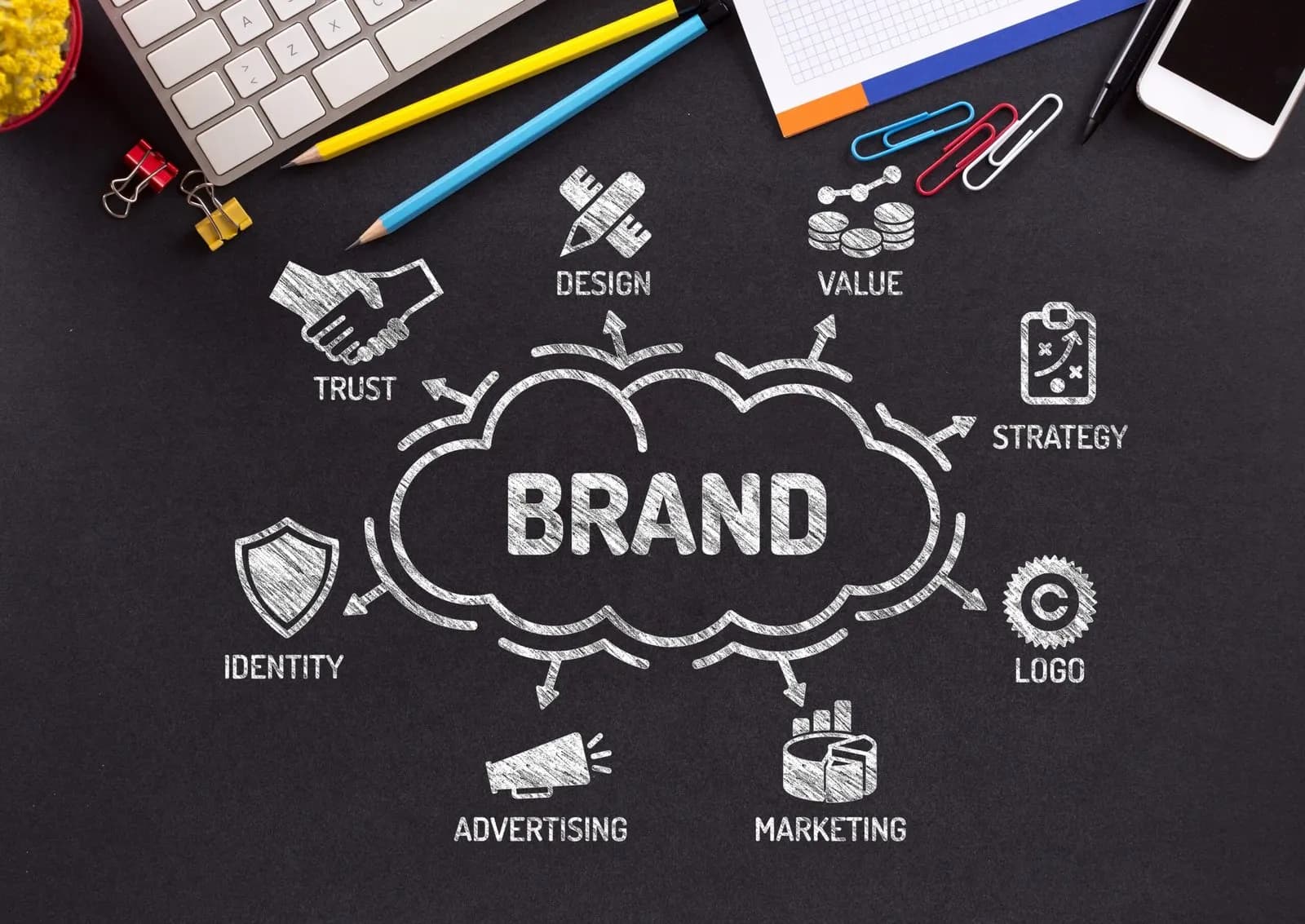

10 Digital Marketing Solutions You Need to Know
SEO, paid ads, social media, email, automation, video and more: what each digital marketing solution is good for, and how to choose the right mix for your business.

BKR Tech Solutions
Updated 7 min read
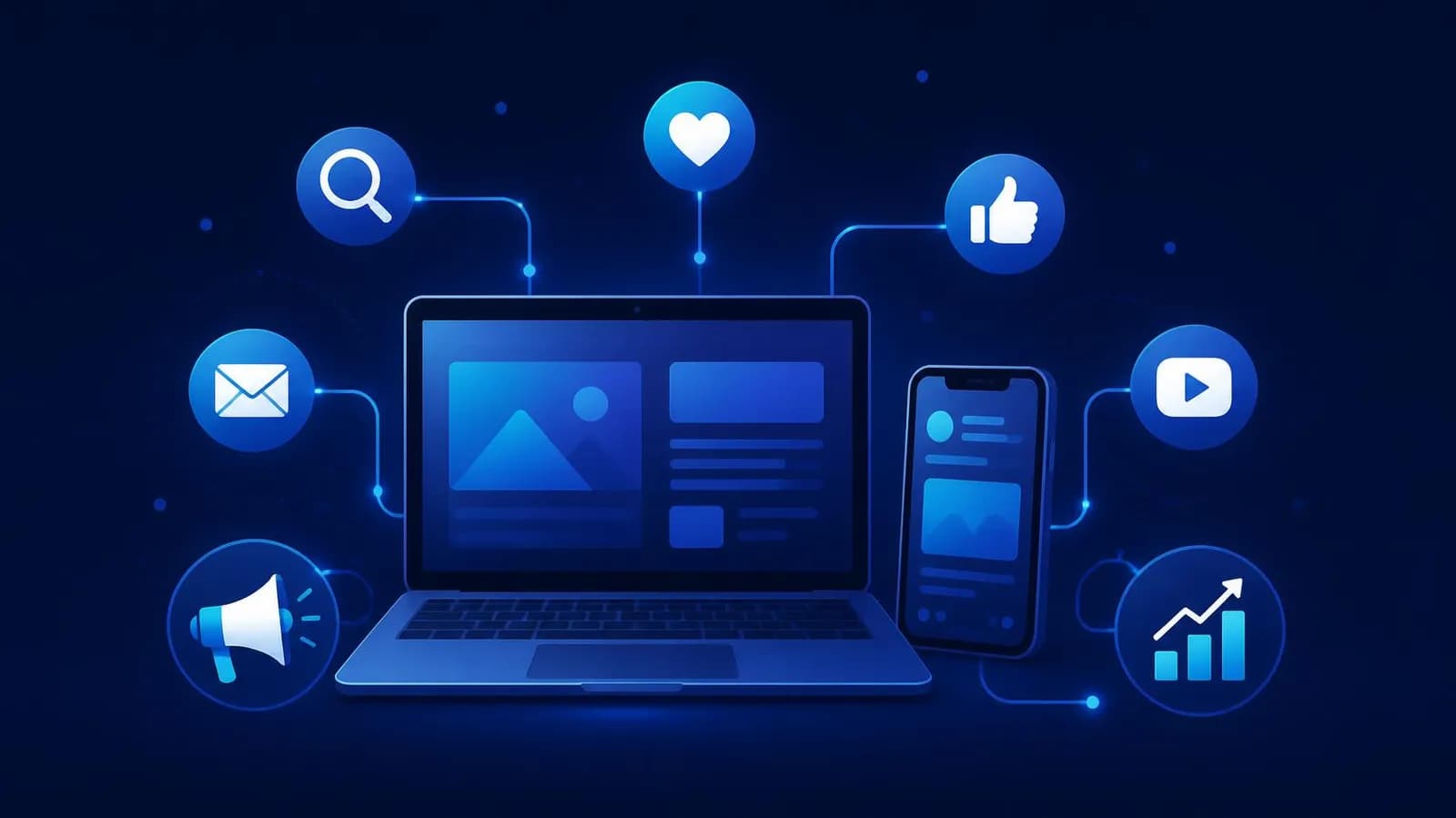
Digital marketing is not one channel. It is a set of tools that each do a different job: some bring in people who are already searching for what you sell, some build an audience over months, and some turn the visitors you already have into customers. Most businesses do not need all of them at once. They need the few that fit their goals, their budget and the way their customers buy.
Below are ten digital marketing solutions worth knowing, what each one is good for, and how to decide where to start.
What are digital marketing solutions?
A digital marketing solution is any online channel or tool a business uses to reach, convert and keep customers. That covers search engines, social platforms, email inboxes, messaging apps and your own website, plus the analytics that show which of them is working. The real value comes from using them together: an ad brings someone to your site, an email brings them back, and your data shows which step deserves more budget.
The 10 digital marketing solutions
1. Search engine optimization (SEO)
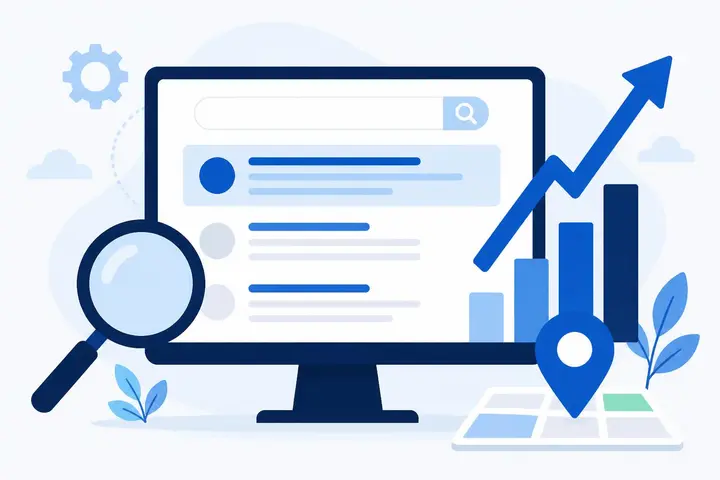
SEO is the work of making your website easy for search engines to understand and worth ranking. Done well, it puts you in front of people at the exact moment they are looking for your product or service, and every one of those visits is free.
- Technical SEO: fast pages, a clean site structure, mobile-friendly layouts and no crawl errors.
- On-page SEO: pages built around the terms your customers actually search, with clear titles, headings and descriptions.
- Local SEO: a complete Google Business Profile, consistent contact details and genuine reviews, so you appear in "near me" and map results.
- Authority: useful content that other websites want to link to.
SEO takes time, usually months, but the traffic it builds keeps arriving without paying for each click.
2. Pay-per-click advertising (PPC)
With pay-per-click ads on Google, Bing and social platforms, you pay only when someone clicks. PPC is the fastest way to put your offer in front of buyers, which makes it a good fit for launches, seasonal offers and testing which messages work before you invest in SEO for them.
- Target keywords that show buying intent, not just curiosity.
- Send each ad to a landing page that matches its promise.
- Test headlines and offers, and switch off the ones that do not convert.
- Judge campaigns by cost per lead or sale, not by clicks.
3. Social media marketing
Social platforms are where your audience spends its free time, which makes them the natural place to build familiarity and trust. Choose the platforms your customers actually use: Instagram and TikTok for visual, consumer brands, LinkedIn for business services, and Facebook for broad local reach.
Consistency matters more than volume. A few useful, recognizable posts a week, a reply to every comment and message, and a clear visual style will do more than posting daily without a plan. Paid social ads then let you reach new people who look like your best customers.
4. Content marketing
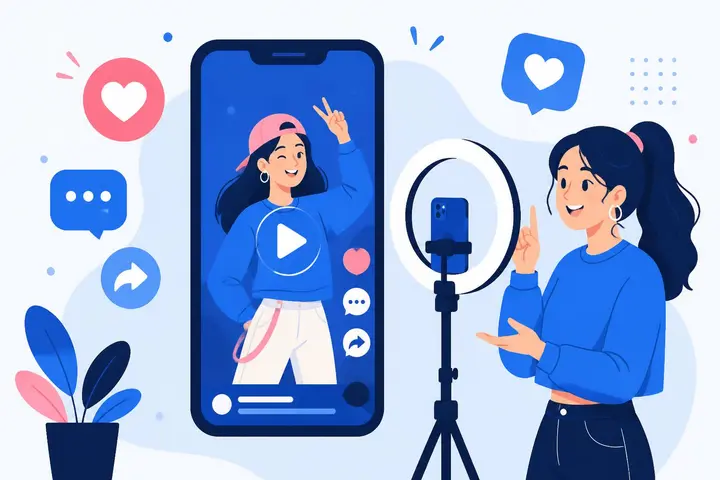
Content marketing means publishing material that answers your customers' questions: blog posts, guides, case studies, videos and infographics. It supports almost every other channel, because SEO needs pages to rank, social media needs something to share and email needs something worth opening.
Start with the questions your sales team hears every week. Answer each one properly, in one place, and you have content that ranks, builds trust and shortens the sales conversation.
5. Email marketing
Email is one of the few channels you own outright. No algorithm decides whether your subscribers see your message, which makes it one of the most reliable ways to turn first-time visitors into repeat customers.
- Grow your list with a genuine reason to subscribe, such as a guide, a discount or early access.
- Segment subscribers by interest or buying stage instead of sending everyone the same email.
- Keep each email focused on one message and one clear action.
6. Marketing automation
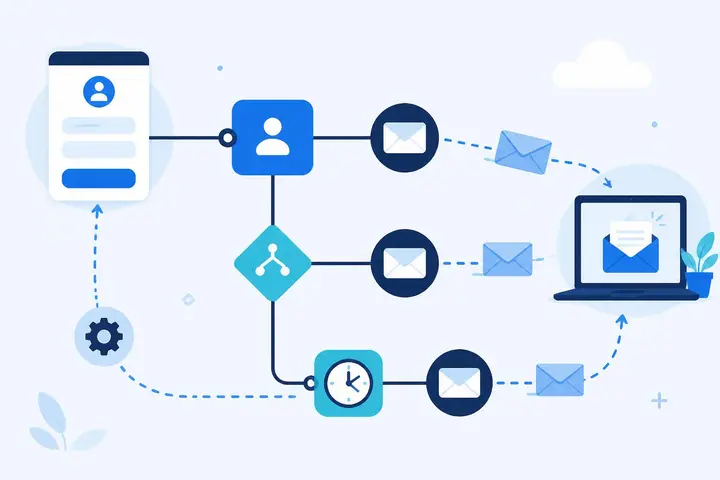
Automation sends the right message at the right time without anyone pressing send. A welcome series for new subscribers, a reminder about an abandoned cart, a follow-up after an enquiry, a review request after delivery: once each one is set up, it runs on its own.
Connected to a CRM, automation also keeps every lead's history in one place, so your team knows who to contact and when.
7. Video marketing
Video explains a product faster than text and holds attention for longer. Short vertical videos on Reels, TikTok and YouTube Shorts help people discover you, while longer videos such as demos, tutorials and customer stories help them decide.
You do not need a studio. Clear sound, good light and a message that gets to the point in the first few seconds matter far more than expensive equipment.
8. Influencer marketing
Influencers lend you the trust they have already built with their followers. For many businesses, smaller creators with a focused, engaged audience in your niche bring better results than celebrities with huge but general followings.
Choose creators whose audience matches your customers, agree on clear deliverables, and give each one a unique link or discount code so you can see what every partnership actually brings in.
9. WhatsApp and SMS marketing
Messaging apps reach people where they read almost everything. WhatsApp Business lets you share your catalog, answer questions quickly and send order updates, while SMS works well for short, time-sensitive messages such as appointment reminders and limited-time offers.
Only message people who have opted in, keep every message short and useful, and make it easy to stop receiving them. Used carelessly, messaging feels like spam. Used well, it feels like good service.
10. Analytics and conversion rate optimization (CRO)
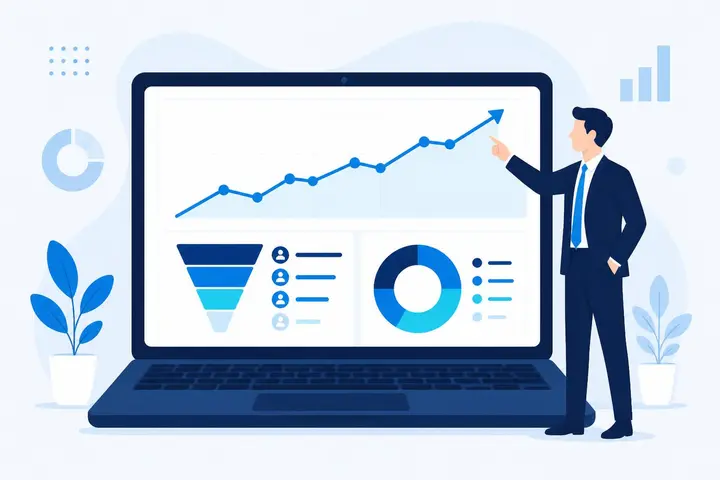
Analytics tells you where visitors come from and what they do; conversion rate optimization uses that knowledge to turn more of them into leads and customers. Together they make sure the traffic from every other channel is not wasted.
- Track the actions that matter: purchases, form submissions, calls and WhatsApp clicks.
- Find the pages where people drop off and simplify them.
- Test one change at a time, such as a headline, a form or a call to action, and keep what works.
How to choose the right mix
Start from your goal, not from the channel. This table is a quick guide to what each solution does best and how soon it tends to show results.
| Solution | Best for | Time to results |
|---|---|---|
| SEO | Steady, free traffic from people searching for you | Months |
| Pay-per-click ads | Fast leads, launches and testing offers | Days |
| Social media | Awareness, trust and community | Weeks to months |
| Content marketing | Answering questions and supporting SEO | Months |
| Email marketing | Repeat sales and nurturing leads | Weeks |
| Marketing automation | Timely follow-up without extra staff | Weeks |
| Video marketing | Explaining products and being discovered | Weeks |
| Influencer marketing | Borrowed trust in a specific niche | Weeks |
| WhatsApp and SMS | Quick replies, reminders and order updates | Days |
| Analytics and CRO | Getting more from the traffic you already have | Weeks |
A practical starting point for most small and medium businesses: get the website and analytics right, build SEO and content for the long term, use PPC for immediate leads, and add email and automation so no lead is forgotten. Expand into video, influencers and messaging once those foundations are paying off.
Conclusion
The best digital marketing strategy is not the one that uses every channel. It is the one where each channel has a clear job, the channels support each other, and the numbers decide where the next rupee or dollar goes. Pick two or three solutions that match your goals, measure them honestly and build from there.
FAQs
Which digital marketing solution is best for a small business?
There is no single best one. Many small businesses get their quickest return from local SEO and a complete Google Business Profile, a small pay-per-click budget for immediate leads, and email or WhatsApp follow-up so that enquiries turn into sales.
How long does digital marketing take to show results?
Paid ads and messaging can bring leads within days. Email, social media and video usually take a few weeks to build momentum, while SEO and content marketing often take several months but keep delivering after that.
Do I need all ten solutions?
No. Start with the two or three that match your goals and budget, measure them, and add more once they are working.
How do I know if my digital marketing is working?
Track the actions that matter to your business, such as sales, leads, calls and messages, and compare the cost of each one across channels. Clicks and likes are useful signals, but they are not results on their own.
Want help putting this into practice?
See how our Digital Marketing services work, or tell us about your project and we'll suggest where to start.
Written by
BKR Tech Solutions
BKR Tech Solutions builds websites, web and mobile apps, SaaS products and Shopify stores for businesses worldwide, with teams in Islamabad and Oslo.